The Winters
Daisy Jones & the SixThe Winters are a band encountered early in the Dunne Brothers’ career, when an opening slot on a northeastern tour brought the younger group into contact with a more established sound and with keyboardist Karen Karen. Their importance in the account is less a full history of the band than the specific influence they exerted: they offered the Dunne Brothers a touring opportunity, helped shape their musical ambitions, and provided the setting in which Karen’s musicianship and wish for professional respect came into view.
Touring Opportunity
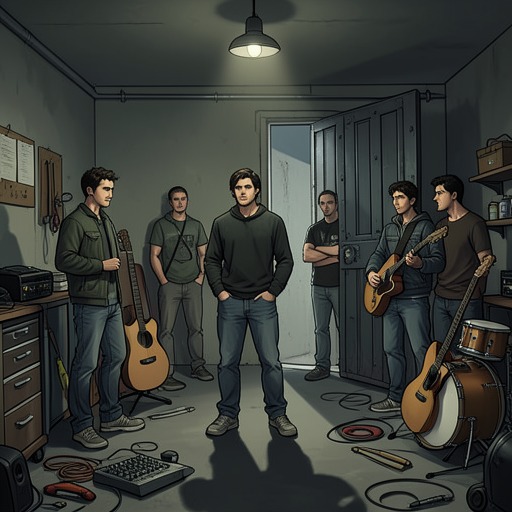
At the end of 1970, the Dunne Brothers played at the Pint in Baltimore. Rick Marks, The Winters’ lead singer, was there; impressed by the younger band’s raw sound and taken with Billy Dunne, he offered them opening spots on several dates of The Winters’ northeastern tour. The offer gave the Dunne Brothers a chance to play before audiences beyond that Baltimore show and to travel alongside a group whose music would affect their own ideas about what a band could sound like.
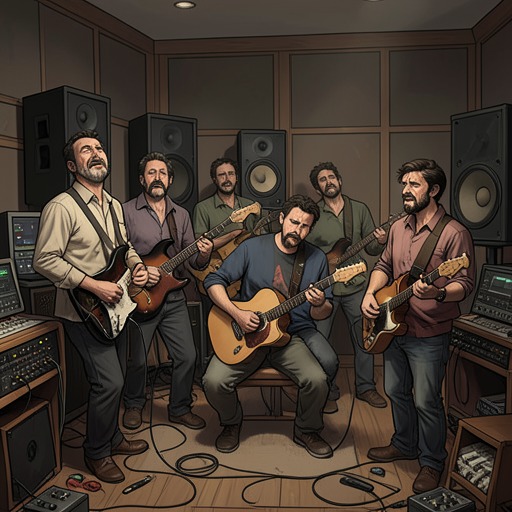
The touring relationship also placed the two groups in close working proximity. The Dunne Brothers quickly became influenced by The Winters’ sound, while their interest in the band extended to its keyboardist. In this recollection, The Winters’ importance is therefore practical as well as musical: the tour was an early professional opportunity, and its shared bills exposed the younger musicians to a model they could study at close range.
Sound and Musical Influence
The Winters’ keyboard sound made a particular impression on Billy. He recalled that Karen Karen added an extra layer and lushness to the music, an effect that prompted him to consider whether the Dunne Brothers needed a similar contribution. Graham Dunne described the thought as moving beyond wanting a musician like Karen to wanting Karen herself. The distinction registers how quickly the band’s interest shifted from an arrangement idea to the specific player whose work had inspired it.
That response presents The Winters not only as a touring act but as a musical reference point for the Dunne Brothers. The keyboard part suggested a richer texture than they had been pursuing, and Karen’s performance made that possibility concrete. The surviving account does not detail The Winters’ broader repertoire or describe the later course of their career; its emphasis is on the effect of their sound on musicians who would go on to form their own band.
Karen Karen and the Band’s Working Climate
Karen said she left The Winters because she was tired of bandmates trying to pursue her sexually and wanted to be a musician without that expectation. Her explanation gives the band’s influence a second, less celebratory dimension: the musical contribution Billy admired existed alongside a working environment in which she did not feel that her colleagues treated her simply as a fellow musician. Her departure was a choice to seek a different professional experience, not evidence that she lacked commitment to playing.
Karen also recalled liking Camila, who sometimes spent time with the group after shows when she visited Billy. Karen valued Billy’s willingness to have Camila around and the atmosphere she brought. Camila described driving for hours to weekend performances, checking in at venues, and being brought backstage. Together, their recollections show that the tour was not only a musical exchange between bands; it also involved the people who accompanied and supported the musicians. The evidence does not establish how The Winters responded to Karen’s departure or what became of the band afterward.
Place in the Retrospective
The Winters appear through memories shaped by the later history of the Dunne Brothers: the invitation from Rick Marks, the influence of the band’s sound, and the impression made by Karen’s keyboard playing become part of the origin story of the younger group’s ambitions. Yet the account also preserves Karen’s own reason for leaving, which complicates any simple picture of The Winters as merely a model to emulate. Their place in the narrative rests on this conjunction of opportunity, musical influence, and unequal treatment within a band environment.